
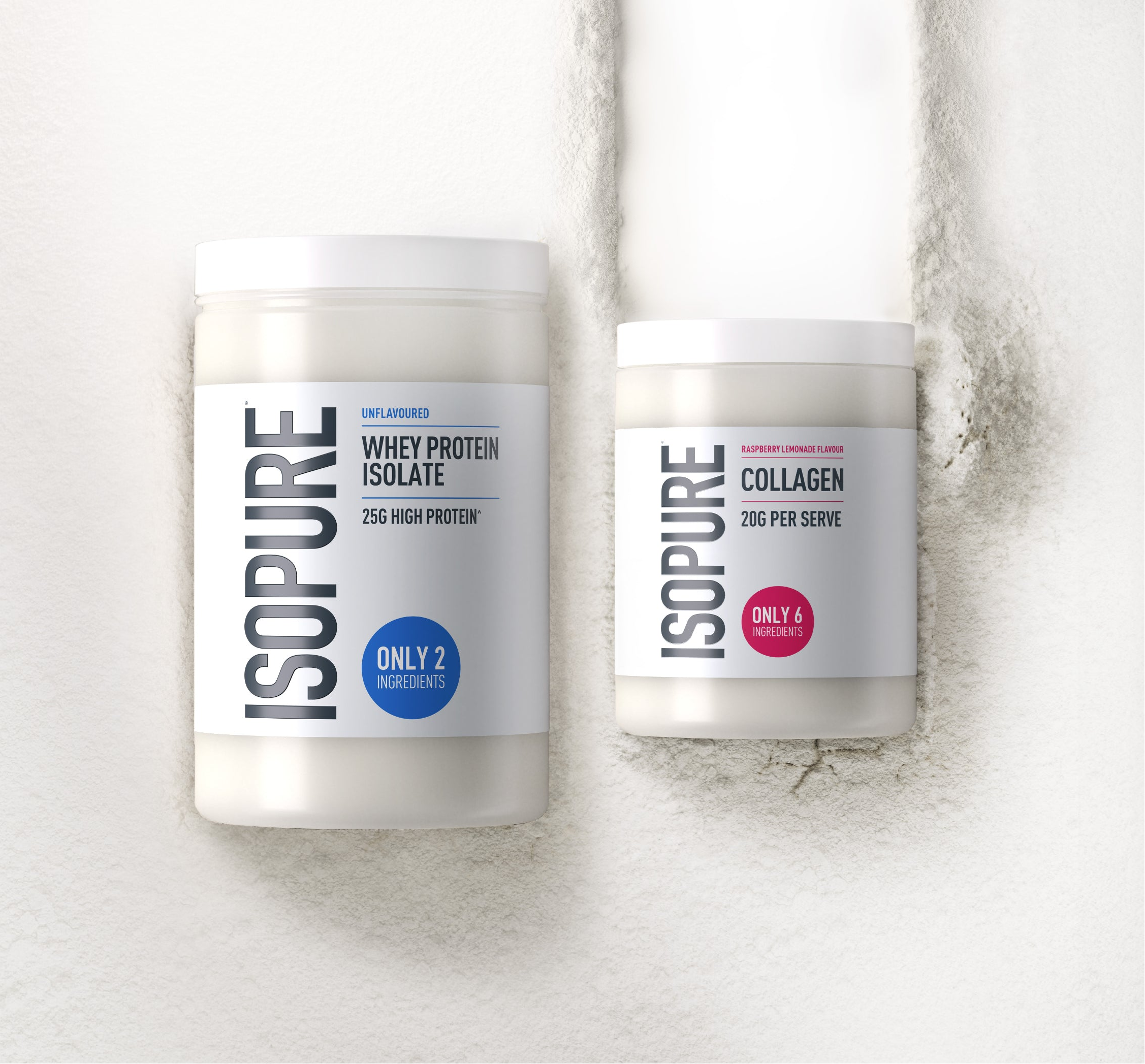

Collagen is often spoken about as if it were a single protein, but in reality there are 28 different types found in the human body. Each plays a specific role in keeping tissues strong, flexible and supported. Of these, three stand out as the most important: Types I, II and III. Together, they form much of the framework for skin, nails, joints, cartilage and connective tissue throughout the body.
Type I: Structure for Skin, Bones and Connective Tissues
Type I collagen is the most abundant type, making up around 90% of all collagen in the body. It’s found in fibrous tissues such as skin, tendons, bones and ligaments, and often appears alongside Type III.
Type I provides the strength and structure that help skin stay firm and elastic. It also supports nail and hair strength, contributing to the body’s outer resilience.
Beyond the surface, it plays an important role in joint stability. While Type II cushions the cartilage within joints, Type I helps to strengthen the tendons, ligaments and bones that surround them, providing both stability and support.
Type II: Cushion for Joints
Type II collagen is found mainly in cartilage, the tissue that covers the ends of bones and acts as a cushion between joints. It helps reduce friction, supports flexibility and allows smooth, comfortable movement.
Because joints are central to mobility and comfort, Type II collagen is especially valuable for those who lead active lifestyles or want to support joint health as they age.
Type III: Support for Connective Tissue
Type III collagen often works alongside Type I, particularly in the skin, blood vessels and soft tissues. It provides elasticity and supports the natural process of tissue repair.
Together with Type II, it helps maintain cartilage and connective tissue strength, playing an important role in overall flexibility and movemen
Choosing the Right Collagen
Which type of collagen you focus on depends on your goals. If your main interest is skin, hair and nails, Type I – often combined with Type III – is most relevant.
Types II and III are commonly associated with joint health and mobility, while Type I also supports bones, tendons and the connective tissues that give the body its structure.
In reality, all three types work together to support different parts of the body in complementary ways.
The Takeaway
Collagen isn’t a one-size-fits-all protein. Types I, II and III each have their own unique roles, from maintaining skin elasticity to supporting cartilage and joints. Understanding how they differ helps you make more informed choices about how collagen fits into your lifestyle, whether your focus is on appearance, movement or overall wellbeing.


