
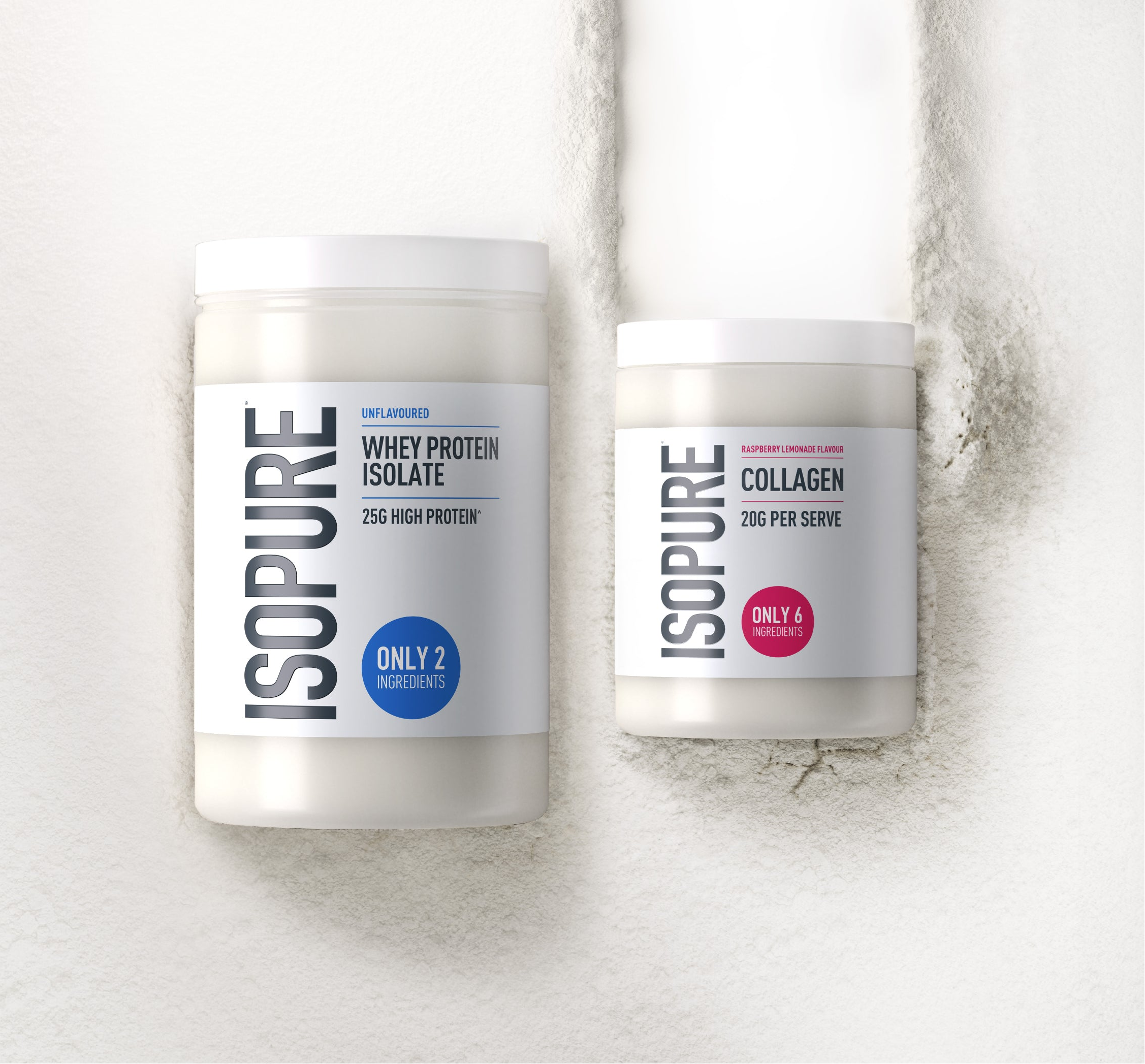

Collagen has become a favourite in the world of wellness, and for good reason. Once known mainly for beauty, it is now recognised for its broader role in supporting both skin and joint health. With so much information available, it can sometimes feel difficult to know what really matters. This guide keeps things clear and simple, explaining what collagen is, why it is important and how it supports you in everyday life.
What is Collagen?
Collagen is a protein that provides structure and strength throughout the body. It makes up about one third of the body’s total protein and helps keep tissues strong, flexible and resilient. It is found in many areas of the body, including the skin, bones, tendons, ligaments, cartilage and connective tissue, and in smaller amounts in organs such as the heart, stomach and eyes. In skin alone, collagen makes up around three quarters of its dry weight.
Its structure is formed from three key amino acids: proline, hydroxyproline and glycine. Together, they create a strong yet flexible framework that gives collagen its strength and elasticity, helping to support tissues that need both durability and flexibility such as skin and cartilage.
Collagen and Ageing
The body naturally produces collagen, but this slows gradually with age. From the mid-twenties, production begins to decline by around one percent each year. By the age of fifty, collagen may have reduced by as much as half. Factors such as smoking, sun exposure, pollution and stress can make this process happen more quickly. As levels fall, skin can lose elasticity, joints may become stiffer and connective tissues less resilient.
The Benefits of Collagen
Collagen plays an important role throughout the body, with different types supporting different areas.
Type I collagen helps keep skin firm and elastic while also supporting nail strength and healthy hair.
Types II and III collagen are found mainly in cartilage and connective tissue, helping to cushion joints, reduce friction and support smooth movement.
Collagen also contributes to the bone matrix, helping to maintain density and strength. It supports tendons and ligaments, which connect muscles to bones. Within the gut, collagen helps maintain the structure of the intestinal lining, providing stability across organs and tissues.
Supporting Collagen Production Naturally
Collagen production relies on a number of key nutrients. Vitamin C is essential, while minerals such as zinc, copper and sulphur also play key roles. Without these, the body’s ability to produce and preserve collagen is reduced.
Eating a balanced diet rich in these nutrients helps the body create collagen naturally. Supplements can also provide additional support, ensuring the body has what it needs to maintain healthy collagen levels.
The Bottom Line
Collagen does more than support appearance. From skin and nails to joints and bones, it helps maintain the structure and strength of the body. While production naturally declines with age, maintaining a consistent intake through diet, supplementation and good nutrition can help preserve the benefits of this essential protein throughout life.


