
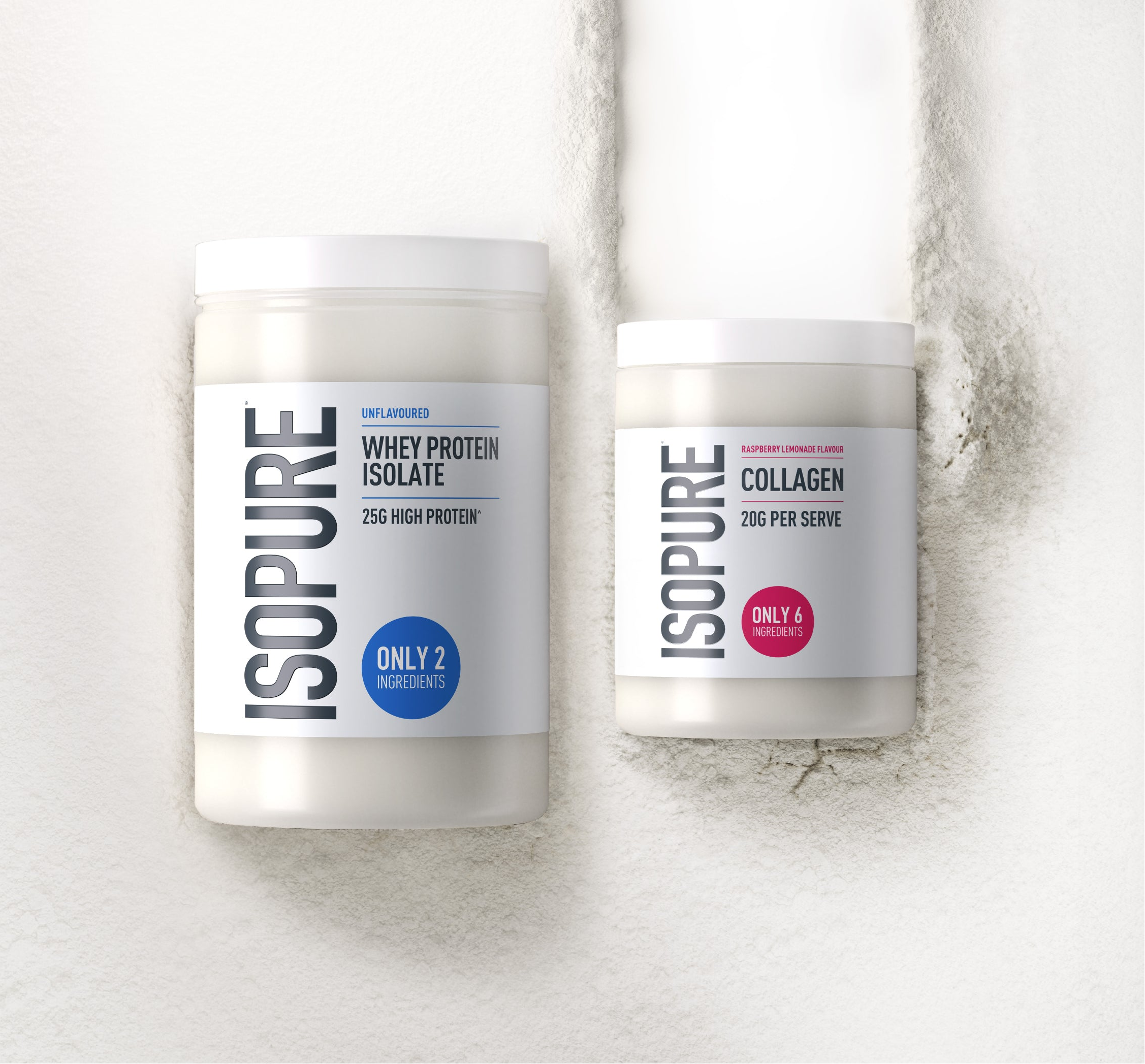

Introduction
Getting enough protein every day can be a challenge, especially when you’re balancing a busy schedule of work, family and training. Protein provides the essential building blocks for muscle growth, repair and maintenance, and helps the body recover after any form of physical activity.
While foods such as meat, fish, eggs, dairy and plant-based options like tofu or lentils are excellent sources, it’s not always easy to plan and prepare meals that deliver enough protein. Whey protein powders offer a simple, time-saving way to top up your intake and stay consistent with your nutrition.
Whey comes from milk during the cheese-making process and is a complete, high-quality protein that the body digests quickly. It’s available in two main forms – whey protein concentrate and whey protein isolate. Both provide the same core nutrients, but they differ in how they’re processed, their composition and their price. Understanding these differences can help you choose the option that best suits your lifestyle and goals.
Why Take Protein?
Lean meats, fish, eggs and dairy are all great sources of protein, but it isn’t always practical to rely on whole foods alone. A whey protein shake provides a convenient way to stay on track, offering a measured serving that makes it easy to monitor your intake and meet your goals, even on busy days.
Whey protein concentrate and whey protein isolate are both complete, rapidly digested proteins that deliver the same key benefits. The difference lies in the details, and knowing what sets them apart can help you decide which is right for you.

What They Have in Common
-
Complete protein: Both contain all nine essential amino acids needed to support recovery and muscle repair.
-
Fast absorption: Ideal when you want a quick source of protein after exercise.
-
Proven support: Each contributes to the growth and maintenance of muscle mass when combined with weight-resistance training.
Whey Protein Concentrate
Whey protein concentrate typically contains around 70 to 80 per cent protein by weight, with the remaining content made up of naturally occurring lactose and small amounts of fat.
It may be a good choice if you:
-
Prefer a protein powder with a slightly broader nutrient profile.
-
Are comfortable with moderate lactose content.
-
Want a cost-effective way to increase your daily protein intake.
Whey Protein Isolate
Whey protein isolate goes through additional filtration to remove most of the fat and lactose, resulting in a product that contains 90 per cent or more protein by weight.
It may suit you better if you:
-
Want the highest protein content per serving with minimal carbohydrate or fat.
-
Are looking to limit lactose in your diet.
-
Prefer a lighter, lower-calorie option.
Deciding Which Fits Your Goals
Choose the type of whey protein that matches your nutrition needs, whether you prefer a balanced profile or higher protein with less lactose and fat.
From there, focus on flavour and texture. Choosing one you genuinely enjoy makes it easier to build protein into your routine and stay consistent over time. Both types deliver high-quality protein that supports muscle growth, repair and maintenance when combined with resistance training.
Conclusion
Whey protein powders offer an easy and effective way to help you meet your daily protein targets, especially when whole foods aren’t always practical. Both whey protein concentrate and whey protein isolate provide the same core benefits, but isolate offers a more refined option, with higher protein content and lower levels of lactose and fat.
Choose the one that best aligns with your training goals, dietary preferences and lifestyle, and enjoy a simple way to keep your nutrition on track.
Protein supports the growth and maintenance of muscle mass in conjunction with weight resistance training.
References
-
Davies, R. W. et al. (2018). The Effect of Whey Protein Supplementation on the Temporal Recovery of Muscle Function Following Resistance Training: A Systematic Review and Meta-Analysis. Nutrients, 10(2), 221. https://doi.org/10.3390/nu10020221
-
Campbell, B. et al. (2007). International Society of Sports Nutrition position stand: protein and exercise. J Int Soc Sports Nutr, 4, 8. https://doi.org/10.1186/1550-2783-4-8


